

 红包分享
红包分享 钱包管理
钱包管理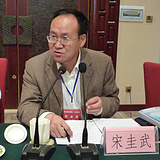

 0
0- 0
- 0
- 0
悟道社会与自然:五个新理论分析与思考框架(最新)
Enlightening Insights into Society and Nature: Five New Theoretical Frameworks for Analysis & Reflection(Latest)
宋圭武
Song Guiwu
下面笔者就多年思考并逐渐形成的关于社会与自然问题的五个新理论分析与思考框架,汇集如下,供大家娱乐参考。不妥之处,请多指正。
Here, the author presents five new theoretical analysis and thinking frameworks on social and natural issues that have been gradually formed over many years of reflection. They are compiled as follows for your entertainment and reference. If there are any inappropriate parts, please kindly point them out.
一、关于经济学的一个新理论分析框架
人性是经济学研究的基本前提。人本性趋利避害,但趋利避害与善恶还有一段距离,不能直接说趋利避害是善或是恶。人性是先天因素和后天因素相结合的产物。自由主义经济学和凯恩斯经济学本质都是短期经济学。“帕累托最优”标准应是一个无意义陈述。科斯定理需要考虑公平前提,其表述需要进一步完善。西方经济学教科书中关于柠檬市场或旧货市场会萎缩的推理分析是不严密的,其结论也是与现实不相符的。市场更具短期特征,而不是长期特征。完全竞争市场最有效率不一定正确。在一般情况下,社会经济资源的每一次重新配置都应尽可能确保最弱势群体利益不受损这个底线。人口大国应注重提高非劳动资源要素的生产效率。应该基于边际社会收益等于边际社会成本来确定政府行为的边界。共同富裕是一个社会大问题,政府需要高度关注。计划经济和市场经济各有其优缺点,各有其适用的范围。不能抽象讨论私有制和公有制的优劣,要结合具体问题具体分析。公有制需要确立预算红线,需要实现民主管理。在高技术时代,要高度关注消费剥削问题。技术越先进,越适合公有制。技术进步与就业要协调推进。各产业之间要协调发展。城乡要协调发展。刺激需求也需要优化供给。供给要与需求匹配。供给过多,必然过剩。要淘汰过剩供给。
目前,经济学研究的主要缺陷有三个方面:一是缺乏长期均衡分析,没有充分体现战略思维意识;二是缺乏全局均衡分析,多注重单方面发展;三是缺乏现实性,理论多停留在黑板演绎层面。经济学研究如何走出困境,如何更好地同现实对接?经济学研究需要建立大经济学范畴。
第一,要树立大均衡观。所谓大均衡,是指整体持久均衡。反映在时间维度上,就是经济增长必须是可持续的,不是短期的,必须要体现更持久的发展。反映在空间维度上,就是经济增长要在实现经济、社会、自然等综合均衡的基础上实现自身的均衡。
第二,要树立大动力观。经济增长的大动力是经济活动三重动力的耦合。经济增长的表层动力是要素动力,包括土地、劳动力、资金、技术等。要素动力取决于要素富裕程度,越是要素富裕,要素动力越强。经济增长的中层动力是制度,这里的制度,是各种制度的总和,包括各种宏观制度和微观制度。制度动力取决于制度所体现的公平与效率有机结合的程度,公平与效率越是有效结合,制度动力越充足。经济增长的深层动力是文化,核心是人文精神。由于人文精神是一种历史的积淀,所以,人文精神动力更具持久性特征。好的人文精神应富含敬畏、理性、诚信等意识。整体来看,长期稳定持续的经济增长取决于三重动力的耦合推动,需要从要素、制度、文化三个层面挖掘动力,形成合力推动经济增长。
第三,要树立大数据观。大数据将成为经济学研究的重要基础。在《大数据时代》一书中,作者维克尔认为,众多学科在大数据时代都会有重大变化或本质变化。在大数据时代,不仅是人类的生活方式,人类的知识体系和价值体系也会发生重大变化。在经济学方面,由于数据的收集成本大大降低,各种算法的准确度大大提高,微观经济学和宏观经济学研究都将更为深化,经济理论研究与经济实践联系将更为紧密,政府的政策制定也将更为科学精准。
第四,要树立大财富观。经济学分析不仅要考虑物质财富收益,也要考虑精神财富收益。同时,在物质财富收益方面,还要考虑生态财富收益或自然财富收益。绿水青山就是金山银山。良好生态环境既是现在的物质财富,更是未来生产财富的物质基础。
第五,要树立大学科观。经济学的学科基础应建立在多学科综合的基础上。历史学、心理学、数学应成为大经济学的三大基础学科。历史是最宏观的经济学,心理学是最微观的经济学,数学为资源配置提供最优的分析工具及严密的逻辑思维。
I. A New Theoretical Analytical Framework for Economics
Human nature is the fundamental premise of economic research. Humans are inherently inclined to pursue benefits and avoid harms, yet this inclination is distinct from morality and cannot be simply defined as good or evil. Human nature is a product of innate factors combined with acquired nurture. In essence, both liberal economics and Keynesian economics are short-term economic theories. The criterion of "Pareto Optimality" amounts to a meaningless proposition. The Coase Theorem needs to incorporate the prerequisite of fairness, and its expression requires further refinement. The reasoning and analysis in Western economics textbooks regarding the shrinkage of the lemon market or second-hand goods market are logically flawed, and their conclusions are inconsistent with real-world realities. Markets are defined by short-term rather than long-term characteristics. The notion that a perfectly competitive market is the most efficient is not necessarily valid. Under normal circumstances, every reallocation of socio-economic resources must uphold the bottom line of safeguarding the interests of the most vulnerable groups from impairment. Populous countries should focus on improving the productivity of non-labor resource factors. The boundary of government actions should be determined based on the equivalence of marginal social benefits and marginal social costs. Common prosperity is a major social issue that requires high priority from governments. Both planned economies and market economies have their respective strengths, weaknesses and applicable scopes. It is inappropriate to discuss the superiority of private ownership versus public ownership in the abstract; specific issues demand targeted analysis. Public ownership requires clear budget red lines and the implementation of democratic management. In the high-tech era, close attention must be paid to the problem of consumption exploitation. The more advanced technology becomes, the more suitable public ownership is. Technological progress and employment growth must be advanced in a coordinated manner. Balanced development should be achieved across industries and between urban and rural areas. Stimulating demand also necessitates optimizing supply, which must align with demand. Excessive supply inevitably leads to surplus, and redundant supply must be eliminated.
Current economic research suffers from three major flaws: first, a lack of long-term equilibrium analysis and insufficient strategic thinking; second, an absence of holistic equilibrium analysis, with excessive focus on one-sided development; third, a disconnect from reality, as most theories remain confined to theoretical deduction on paper. How can economic research break free from its predicament and better align with real-world conditions? It is essential to establish the paradigm of comprehensive economics.
First, establish a holistic equilibrium perspective. Holistic equilibrium refers to overall and long-lasting equilibrium. In terms of time dimension, economic growth must be sustainable rather than short-term, embodying enduring development. In terms of spatial dimension, economic growth must be achieved on the basis of comprehensive equilibrium encompassing the economy, society and nature.
Second, establish a comprehensive driving force perspective. The fundamental drivers of economic growth stem from the integration of three tiers of economic dynamics. The superficial driving force lies in production factors, including land, labor, capital and technology. Factor-driven momentum depends on the abundance of resources—the more abundant the factors, the stronger the driving force. The intermediate driving force is institutions, referring to the entirety of macro and micro institutional arrangements. Institutional momentum hinges on the effective integration of fairness and efficiency; the better the two are combined, the stronger the institutional driving force. The underlying driving force is culture, with humanistic spirit at its core. Rooted in historical accumulation, humanistic spirit delivers enduring motivational power. Sound humanistic spirit embraces reverence for nature, rationality, integrity and other virtues. Overall, long-term stable economic growth relies on the synergy of the three driving forces, requiring momentum exploration from factor, institutional and cultural dimensions to fuel economic development collectively.
Third, establish a big data perspective. Big data will become a critical foundation for economic research. In Big Data Era, author Viktor Mayer-Schönberger argues that numerous disciplines will undergo profound even fundamental transformations in the age of big data. This era will reshape not only people’s lifestyles but also human knowledge and value systems. In economics, drastically reduced data collection costs and vastly improved algorithm accuracy will deepen research in both microeconomics and macroeconomics, tighten the connection between economic theories and practical application, and enable governments to formulate more scientific and precise policies.
Fourth, establish an all-encompassing wealth perspective. Economic analysis should account for not only material wealth gains but also spiritual wealth gains. Meanwhile, material wealth assessment must include ecological or natural wealth gains. Lucid waters and lush mountains are invaluable assets. A sound ecological environment constitutes present material wealth and underpins wealth creation in the future.
Fifth, establish an interdisciplinary perspective. Economics should be built on a multidisciplinary foundation, with history, psychology and mathematics as its three core foundational disciplines. History represents the most macro dimension of economics; psychology the most micro dimension; and mathematics provides optimal analytical tools and rigorous logical thinking for resource allocation.
二、关于发展中人口大国三农如何发展的一个新理论分析框架
三农问题是发展中人口大国的根本问题和基础问题,是现代化的重中之重。
第一,农业如何强,应大力发展道德农业。发展农业要尊重生命成长规律。对生命要充满敬畏意识和关爱意识。要给动植物充足的自由生长空间。对动植物的生长过程不能太过保护。农业更多是一个慢活,不能人为追求速度和产量。在满足粮食安全的前提下,农业的水利化也要适度。农业机械化也要适度。这里关键是因为动植物是有生命的,是有灵性的,冷冰冰的机械对其生长总是缺乏温暖感和柔和感。要严禁化肥、农药、除草剂等在农业产业中的大量运用。对动植物在基因层次上改造要高度谨慎。一个生命,就是一个宇宙。要严格规范农业科学家的研究行为。要把生产有机农产品作为农业发展的主要目标。农业现代化,关键是农产品质量要提高,肉要更好吃,菜要更高质量,而不是农业工具现代化。发展农业一定要顺应自然,一定要尊重自然规律,这是农业新质生产力的灵魂。
第二,农业产业更适合公有制经营方式。农业产业实行公有制需要结合国情选择实现形式。对于一个发展中人口大国,国家在宏观管理上,对农业应探索实行半计划半市场管理体制,在农场产品流通上,应探索实行半统购半统销模式,在农业生产微观组织层面,应探索建设半自治半行政农场。其中农民变为农场职工,拿固定工资,工资水平确保维持基本生存需要。农场在主要产业选择上,要以种植粮食为主要产业。农场经营目标主要是确保国家粮食安全和防止大规模返贫,不要求农场以盈利为主要目标。
第三,农民如何富,农村需要适度发展非农产业。非农产业包括乡村旅游、地方小工业、庭院经济、劳务输出等。国家对农村非农产业发展要实行一定的保护政策,不然农村竞争不过城市。同时,也要注意农村非农产业和城市产业协调发展,不能成为互害模式。
第四,农村如何建设,最终应形成城乡适度二元经济社会体制。城乡在发展体制机制及建设上应有一定差别,二者在收入等方面也可有一定差距,但保持合理差距。
第五,发展中人口大国要注意预防依靠城市化解决三农问题的误区。发展中人口大国,要稳中求进推进城市化。要适度限制农村人口盲目流入城市,其中最主要是城市化水平要与城市稳定就业率高度挂钩。不然,农村和城市两头都得病,农村是空壳化,城市是贫民窟,城乡循环就无法有效实现。国内经济循环主要是城乡循环,城乡循环顺畅,经济就不会出现大的问题,经济稳定增长就有了良好基础。
第六,发展中人口大国现代化是一个长期过程,不能急躁,不能浪漫,不能鲁莽。除需要抓好三农自强这个重要基础外,还需要抓好精神自强基础和科技自强基础建设。三足鼎立,现代化高楼才能稳固。精神自强,关键是精神需要有充足敬畏意识、理性意识和诚信意识。科技自强,关键是国家要有较多世界领先的技术,尤其在军事领域,要有一些杀手锏技术。三个自强条件都是必要条件,缺一不可,其中精神自强更是一个长期过程。
II. A New Theoretical Analysis Framework for the Development of Agriculture, Rural Areas and Farmers in Developing Countries with Large Populations
The issues of agriculture, rural areas and farmers are fundamental and foundational for developing countries with large populations, and they are of paramount importance in the process of modernization.
First, how to strengthen agriculture? We should vigorously develop moral agriculture. The development of agriculture should respect the laws of life growth. We should have a sense of awe and care for life. We should provide sufficient space for the free growth of animals and plants. We should not overly protect the growth process of animals and plants. Agriculture is more of a slow process and should not be artificially pursued for speed and output. Under the premise of ensuring food security, the water conservancy of agriculture should be moderate. The mechanization of agriculture should also be moderate. The key here is that animals and plants are living beings with vitality and spirituality, and cold mechanical equipment always lacks warmth and gentleness in their growth. The extensive use of chemical fertilizers, pesticides and herbicides in the agricultural industry should be strictly prohibited. Genetic modification of animals and plants should be highly cautious. A life is a universe. The research behavior of agricultural scientists should be strictly regulated. The main goal of agricultural development should be to produce organic agricultural products. The key to agricultural modernization is to improve the quality of agricultural products, making meat more delicious and vegetables of higher quality, rather than the modernization of agricultural tools. The development of agriculture must conform to nature and respect the laws of nature, which is the soul of new agricultural productivity.
Second, the agricultural industry is more suitable for public ownership. The implementation of public ownership in the agricultural industry should be combined with national conditions to choose the form of realization. For a developing country with a large population, the state should explore a semi-planned and semi-market management system for agriculture in macro management, a semi-unified purchase and semi-unified sales model in the circulation of agricultural products, and a semi-autonomous and semi-administrative farm in the micro-organizational level of agricultural production. In this case, farmers become farm workers and receive fixed wages, with the wage level ensuring basic survival needs. The main industry of the farm should be the cultivation of grain. The main goal of farm operation is to ensure national food security and prevent large-scale poverty, rather than making profit the main goal.
Third, how to make farmers rich? Rural areas need to moderately develop non-agricultural industries. Non-agricultural industries include rural tourism, local small-scale industries, courtyard economy, and labor export. The state should implement certain protection policies for the development of non-agricultural industries in rural areas, otherwise rural areas cannot compete with cities. At the same time, attention should be paid to the coordinated development of rural non-agricultural industries and urban industries, and they should not become mutually harmful models.
Fourth, how to build rural areas? Eventually, a moderately dual economic and social system between urban and rural areas should be formed. There should be certain differences in development mechanisms and systems between urban and rural areas, and there can also be certain income gaps, but they should be reasonable.
Fifth, developing countries with large populations should be cautious about the misunderstanding of relying on urbanization to solve the issues of agriculture, rural areas and farmers. In the process of urbanization, developing countries with large populations should proceed steadily and cautiously. The blind inflow of rural population into cities should be moderately restricted, especially by closely linking the level of urbanization with the stable employment rate in cities. Otherwise, both rural and urban areas will suffer. Rural areas will become hollowed out, and cities will become slums, and the urban-rural cycle will be unable to be effectively realized. The domestic economic cycle is mainly the urban-rural cycle. If the urban-rural cycle is smooth, there will be no major problems in the economy, and a good foundation for stable economic growth will be laid.
Sixth, the modernization of developing countries with large populations is a long-term process. It cannot be rushed, romanticized or reckless. In addition to strengthening agriculture, rural areas and farmers as an important foundation, it is also necessary to strengthen the foundation of spiritual self-strengthening and technological self-strengthening. The three pillars must stand firm for the modernization building to be stable. Spiritual self-strengthening mainly requires a sufficient sense of awe, rationality and integrity. Technological self-strengthening mainly requires the country to have many world-leading technologies, especially in the military field, to have some trump card technologies. All three conditions of self-strengthening are necessary and indispensable. Among them, spiritual self-strengthening is a long-term process.
三、关于中国历史演进规律的一个新理论分析框架
中国历史转型的一个重要拐点是从商到周。从中国社会历史看,从商到周,发生了一次大的文化精神转型。商代是“祭祀文化”,周代是“礼乐文化”。“祭祀文化”更注重超越界,而“礼乐文化”更注重世俗性,文化的敬畏意识开始稀薄。由于文化缺乏敬畏意识,于是社会治理客观需要集权制度,最终导致中国社会出现双紧规律。具体表现:制度对人的约束在历史演进中越来越集权化,而集权体制又天然喜欢儒家文化,儒家文化就有了生存空间;同时,儒家文化对人性的约束在历史演进中也越来越禁锢化。这种双紧规律反映在身体社会学上,就是女性缠足的出现。另外,双紧规律和敬畏意识缺乏,催生面子人格越来越固化,最终社会双面人格常态化。
另外,集权体制又天然喜欢小农经济。而诸子均分制的土地财产继承制度,又是催生小农经济的制度基础。而诸子均分制的土地财产继承分配制度,对中国古代社会的朝代更替和社会动荡又要负主要责任。在农耕文明时代,人口和土地的矛盾关系是生产力系统最主要的矛盾。土地和人口比例关系是否合适是决定农业社会是否稳定的长期基础变量。在长期内,随着家庭人口的不断增加,在诸子均分制下,土地会不断细分,最终土地养活不了过剩人口,土地流动性变大,产生大量流民和贫困人口,社会发生动乱,导致朝代更替。而每一次社会动乱和朝代更替,人口一般减少一半甚至一半以上甚至更多。在人口大量减少的情况下,人地矛盾也大大缓解,但随着时间不断推移,最终又是人地矛盾尖锐。具体而言,每一个朝代更替循环的大体特征是:新王朝建立初期,人少地多,王朝处于休养生息阶段;王朝中期,随着人口不断增加,人地比例趋于均衡,土地得到充分利用,社会财富极大增加,出现盛世情况;王朝后期,随着人口不断增加,人多地少问题日趋严重,土地兼并情况加剧,社会产生大量贫困人口,社会进入动荡阶段,农民起义频发,王朝被新王朝代替,同时由于战乱原因人口大规模减少。而新王朝建立后,其循环特征又与前一王朝循环特征类似。同时,基于和平正常时期人口平均增长率估算人地比例关系情况,每一个朝代更替循环周期一般不会超过300年,也就是每一个新王朝统治国家的时间一般不会超过300年。因为新王朝人口数量经过300年左右时间的增长其数量将大大超过原有土地所能提供吃饭人口数量的最大极值点,社会上大量人口必将面临吃不饱饭或吃不上饭的问题,社会也随之进入动荡不安时期。另外,气候等自然因素的不稳定变化也是一个重要方面。另外,也要考虑皇帝的昏庸、官僚的腐败等方面的因素。另外,诸子均分制的土地财产继承分配制度也减少了一个国家人口向往扩张的动力,并且相对外向扩张,更容易产生内卷问题。
由于历史悠久,从长远看,中国要实现现代化,是一项长期艰巨任务,不能急躁。首先需要从文化建设开始。文化需要富含敬畏、诚信、理性意识。农村土地应坚持社区所有或集体所有。要改变小农经济模式,农业要走合作化道路。确保国家粮食安全。另外,还要全面促进科技创新。精神文明、科技文明、粮食文明,是人口大国崛起的三个必要条件,且一个都不能少。
III. A New Theoretical Framework for Analyzing the Evolutionary Laws of Chinese History
An important turning point in the transformation of Chinese history was the transition from the Shang to the Zhou Dynasty. From the perspective of Chinese social history, a major cultural and spiritual transformation occurred during this period. The Shang Dynasty was characterized by a "ritual culture," while the Zhou Dynasty was marked by a "music and ritual culture." The "ritual culture" of the Shang Dynasty placed more emphasis on the transcendent realm, whereas the "music and ritual culture" of the Zhou Dynasty focused more on the secular world, and the sense of awe in culture began to thin. Due to the lack of a sense of awe in culture, the objective need for a centralized system in social governance emerged, ultimately leading to the "double-tight" law in Chinese society. Specifically, the constraints of the system on people became increasingly centralized in the course of historical evolution, and the centralized system naturally favored Confucian culture, providing it with a space for survival; at the same time, the constraints of Confucian culture on human nature became increasingly restrictive in the course of historical evolution. This "double-tight" law is reflected in the sociology of the body as the appearance of foot-binding for women. Additionally, the "double-tight" law and the lack of a sense of awe gave rise to the increasingly solidification of the "face" personality, eventually leading to the normalization of dual personalities in society.
Furthermore, the centralized system naturally favored the small-scale peasant economy. The equal division of land among sons in the inheritance system was the institutional basis for the emergence of the small-scale peasant economy. However, this equal division of land inheritance system was also the main cause of the replacement of dynasties and social unrest in ancient Chinese society. In the era of agricultural civilization, the contradiction between population and land was the most significant contradiction in the productive system. Whether the ratio of land to population was appropriate was a long-term fundamental variable determining the stability of an agricultural society. In the long term, as the population of a family continued to increase, under the equal division of land among sons, the land would be continuously subdivided, eventually leading to the inability of the land to support the excess population, increased land mobility, the emergence of a large number of vagrants and poor people, social unrest, and the replacement of dynasties. Each time there was social unrest and a change of dynasties, the population generally decreased by half or more. With a significant reduction in population, the contradiction between population and land was greatly alleviated. However, as time went on, the contradiction between population and land became acute again. Specifically, the general characteristics of each cycle of dynasty replacement were as follows: in the early stage of a new dynasty, there was a large amount of land and a small population, and the dynasty was in a period of recuperation and rest; in the middle stage of the dynasty, as the population continued to increase, the ratio of population to land tended to be balanced, land was fully utilized, social wealth greatly increased, and a prosperous situation emerged; in the later stage of the dynasty, as the population continued to increase, the problem of too many people and too little land became increasingly severe, land consolidation intensified, a large number of poor people emerged in society, and the society entered a period of unrest, with frequent peasant uprisings, and the dynasty was replaced by a new one. At the same time, due to the large-scale reduction in population caused by war, the cycle of each dynasty replacement generally did not exceed 300 years, meaning that the ruling time of each new dynasty generally did not exceed 300 years. Because after about 300 years, the population of the new dynasty would greatly exceed the maximum value of the population that the original land could support, and a large number of people in society would face the problem of not having enough to eat or not having anything to eat, and the society would enter a period of unrest. In addition, unstable changes in climate and other natural factors were also an important aspect. Additionally, factors such as the incompetence of emperors and the corruption of officials should also be considered. Moreover, the equal division of land inheritance system among sons also reduced the motivation of a country's population to expand outward and made it more prone to internal competition.
Due to its long history, from a long-term perspective, China's modernization is a long and arduous task that cannot be rushed. First, it is necessary to start with cultural construction. Culture should be rich in a sense of awe, integrity, and rationality. Rural land should be owned by the community or collectively. To transform the small-scale farming economic model, agriculture should take the cooperative path. It is necessary to ensure national food security. In addition, it is essential to comprehensively promote scientific and technological innovation. Spiritual civilization, technological civilization and food civilization are the three indispensable conditions for the rise of a populous country.
四、关于哲学问题的一个新理论思考框架
第一,关于本体论。
作为本体的存在是不可言说的。本体就是总体。不能把本体归结为局部的任何一部分。宇宙是一个循环的总体。宇宙自身就是万物的本体。存在的本体就是存在本身。任何局部存在都没有资格成为万物的本体。任何局部存在都是一种过渡性存在,任何局部存在只在宇宙循环中产生意义。
意识和物质,统一于存在。意识是一种存在,物质也是一种存在。物质和意识,都统一于存在。存在是意识和物质的本质。物质和意识是存在的不同形式。万物一体,宇宙本质是一体的。物质和意识,本质是一体的。物质对意识有作用力,意识对物质也有作用力。单向认为物质决定意识,或单向认为意识决定物质,都是一种简单的认识。物质和意识的关系是复杂的,二者统一于存在,是存在内部各种存在矛盾运动的一种表现。
存在的本质是什么,这个问题在存在自身范围内是无法证明的。因为要证明存在本质,必然要依据存在,这会陷入循环论证的泥潭。而若依据不存在来证明存在本质,也不符合逻辑,因为不存在是不存在的,自然不能成为任何证明的依据。在关于存在本质的终极问题上,人类只能选择信仰。在存在本质的终极问题上,人类是无解的,这里的无解就是说人类不能依靠自身构建的逻辑系统来解决存在本质的终极证明的。
存在有各种具体的存在形式。物质是一种具体的存在形式,意识也是一种具体的存在形式。存在的具体存在形式是多样的。不能把存在形式定义为存在本质或存在本身。存在本质与存在形式有联系,但存在本质是内在的,是内涵的,而存在形式是外在的,是外显的。物质和意识都是存在形式,二者离存在本质还有一段距离。
第二,关于认识论。
认识宇宙和世界,我们既可以从意识的层面开始,也可以从物质的层面开始,因为物质和意识,本质是一体的。二者既然是一体的,则对物质的认识,也就是对意识的认识,对意识的认识,也就是对物质的认识。认识存在,我们既需要认识意识,也需要认识物质,但决不能把二者对立起来。
在对存在的认识问题上,信仰与科学互补。科学的发展并不能消解信仰,信仰也不能完全代替科学。信仰需要借助科学的力量,科学也需要借助信仰的力量。科学与信仰,二者构成一个太极运动图。科学的进步也意味着信仰的进步,科学地盘的扩大也意味信仰面积的扩大。
理性可分为宇宙终极理性和宇宙局部及个体有限理性。由于任何局部有限存在都是无限宇宙的一部分,所以任何有限局部存在所体现的理性只能是无限宇宙终极理性的局部有限体现,或只体现了宇宙终极理性有限的一部分或有限的一个方面。由于人类也是一种有限存在,所以,人类所体现的理性也只能是一种有限理性。每一个具体有限存在所具有的有限理性又可分两种:一种是先天理性,一种是后天理性。先天理性多体现为本能理性,后天理性与群体的互动有关。对于不同的具体有限存在,先天理性和后天理性所占比重不同。人类很难通过自身理性能真正掌握宇宙的终极真理。虽然人类的后天理性很发达,但人类认识宇宙,总体实际就是盲人摸象,只能多得到局部真理。但随人类认识的深化,人类可以逐渐接近宇宙的终极真理。人类追求宇宙终极真理的过程,本质是一个无限且没有终点的过程。
任何主观世界中的所谓客观世界,必然都带有主观的成分。纯粹剥离主观世界的纯粹客观世界是不存在的。
第三,关于人生论。
造命者天,立命者我。人生要正确面对痛苦,也要正确面对福报。力行善事,广积阴德,是人生最优的选择。如何积累善,要努力做到敬天爱人爱万物。敬天,对大自然要有敬畏意识,尤其对因果要有敬畏意识。爱人,要己所不欲,勿施于人,要富含同情心,要满溢仁爱之心。爱万物,一是对万物的生产要坚持自然本性原则,二是对万物的消费要坚持节俭原则和最小痛苦原则。
如何看待死,是人生最大事。问题是,人生到底是有死?还是无死?通常的看法是,人生肯定有死。其实,从某种意义上讲,人可谓时时在死。为什么,因为人时时都在新陈代谢,前一秒的你与后一秒的你实际已经不是同一个人,所以,前一秒的你应是已经死亡。当然这样说死亡,没有多大意义。因为这个推理过程最终导致你本质是不存在的。因为你时时在死,自然你本质是不存在的。
从深层次看,从存在的角度看,人生本无死。人生本是一个无限循环过程。第一,人时时在新陈代谢,而新陈代谢本质是循环。这个循环可以看成是小循环。第二,一个人没有呼吸和大脑停止思考后,不管是土葬,还是火葬,也是循环,是进入另一个世界的循环。这个循环可以看成是较大的循环。第三,宇宙内部万物都在无限循环,没有例外。人类也是宇宙内部的一个存在,所以,人类也不可能脱离宇宙的循环法则。第四,既然人生本质是一个无限循环过程,所以,人生本无死,所谓死,只是循环而已。第五,既然人生本质是无限循环,所以,人生应基于无限循环法则来选择自己的行为。
宇宙生生不息,生命生生不息。基于无限循环的理念,人生正确的行为选择应是,向善而生,不应是向死而生。
海德格尔认为人生应,向死而生,也即所谓置之死地而后生。这首先是要承认有死的存在。其实你若真心承认有死的存在,选择向死而生,虽然可以有短期的生命愉悦,但最终实是自己给自己判了真正的死刑,因为你已经承认了你的死是真实的,你是按照有真实的死来定义自己的人生,自然你的人生就有了真正的死亡。
基于无限循环,人生正确的行为选择应是,向善而生,应置之善地而后生。因为选择向善而生可以让生命进入永恒的良性循环轨道,生命的愉悦也取得了永恒形式。天道无亲,常于善人。道永恒,故善永恒。
现实世界为什么会存在恶,恶本质是为善服务的。比如,一些欺负老实人的人,肯定是坏人,但这类坏人的存在,也有利于提高老实人斗智斗勇的能力。还有碰瓷的人,如,小孩把摔倒的老人扶起来,老人还要讹诈小孩,这老人肯定是坏人,是坏人变老了。这类坏人的价值是可以提高小孩与坏人博弈的能力。所以,宇宙中之所以存在坏人,也是宇宙精巧的安排。大自然中的一切安排都是最好的。但坏人最终是要被淘汰的,所以,有智慧的人,绝不能选择干坏人的事情,绝不能作恶。
一般情况下,在人群中总是存在一定数量比例的坏人。人性分布大体符合正态分布规律,很坏的人总是少数,很好的人也总是少数,大多数人处于中间位置。但坏人数量在各单位各阶层分布不一定均匀。比如,有的单位可能坏人多一些,这些单位可能领导也不好当,有的单位可能好人多一些,领导也好当。另外,领导中有坏人也有好人,群众中也有好人和坏人。不能认为一当领导就是好人,或认为群众都是好人。总之,在不同空间单元上,好坏人性的数量分布有一定的随机性,但不管如何分布,这些坏人本质是给好人当循环进化材料的,是垫脚石。
人生本无死,可以说是肯定无疑的。所以,向善是人生最优的选择。除非你是天生的坏人,你属于被淘汰的对象,控制不住自己干坏事的本能,那就没有办法。
问题是,你虽然是天生的坏人,但若你能认识到问题的严重性,不想成为被淘汰的对象,这就需要你时时处处控制好自己,不要干坏事,这样你也一样可以进入良性循环的轨道,人生最终脱胎换骨,重获新生,与善同道,脱离苦海,生命有了永恒的愉悦。
最终的结论是:人生本无死。不管你是天生的好人,还是天生的坏人,或是属于不好不坏的一类人,只要你时时处处干好事,向善而生,从长远看,你的人生结局必将是最优的,你将最终拥有永恒的幸福,因为这是宇宙循环法则的必然推论,除非宇宙运行不是在循环,但宇宙运行事实是在循环。
IV. A New Theoretical Framework for Philosophical Issues
1. Ontology
The being of the ontological entity is ineffable. The ontological entity is the totality. It cannot be reduced to any part of the whole. The universe is a cyclical totality. The universe itself is the ontological entity of all things. The ontological entity of existence is existence itself. No partial existence has the qualification to be the ontological entity of all things. Any partial existence is a transitional existence, and any partial existence only acquires meaning within the cycle of the universe.
Consciousness and matter are unified in existence. Consciousness is a form of existence, and matter is also a form of existence. Both matter and consciousness are unified in existence. Existence is the essence of consciousness and matter. Matter and consciousness are different forms of existence. All things are one, and the essence of the universe is one. The essence of matter and consciousness is one. Matter exerts a force on consciousness, and consciousness also exerts a force on matter. To unilaterally believe that matter determines consciousness or that consciousness determines matter is a simplistic understanding. The relationship between matter and consciousness is complex. They are unified in existence and represent the movement of various contradictions within existence.
What is the essence of existence? This question cannot be proven within the scope of existence itself. Because to prove the essence of existence, one must rely on existence, which would fall into the quagmire of circular reasoning. And if one were to prove the essence of existence based on non-existence, it would also be illogical, as non-existence is non-existence and cannot serve as a basis for any proof. Regarding the ultimate question of the essence of existence, humanity can only choose faith. In the ultimate question of the essence of existence, humanity is without a solution. Here, "without a solution" means that humanity cannot rely on its own constructed logical system to solve the ultimate proof of the essence of existence.
Existence has various specific forms. Matter is a specific form of existence, and consciousness is also a specific form of existence. The specific forms of existence are diverse. One cannot define the form of existence as the essence of existence or existence itself. The essence of existence is related to the form of existence, but the essence of existence is internal and intrinsic, while the form of existence is external and explicit. Both matter and consciousness are forms of existence, but they are still a distance away from the essence of existence.
2. Epistemology
To understand the universe and the world, we can start from the level of consciousness or from the level of matter, because the essence of matter and consciousness is one. Since they are one, understanding matter is also understanding consciousness, and understanding consciousness is also understanding matter. To understand existence, we need to understand both consciousness and matter, but we must not oppose them.
In the issue of understanding existence, faith and science complement each other. The development of science does not eliminate faith, and faith cannot completely replace science. Faith needs the power of science, and science also needs the power of faith. Science and faith form a Taiji movement diagram. The progress of science also means the progress of faith, and the expansion of the territory of science also means the expansion of the area of faith.
Rationality can be divided into ultimate rationality of the universe and limited rationality of the universe and individual. Since any limited existence is a part of the infinite universe, the rationality reflected by any limited existence can only be a limited manifestation of the ultimate rationality of the infinite universe, or only reflects a limited part or aspect of the ultimate rationality of the universe. Since humanity is also a limited existence, the rationality reflected by humanity can only be a limited rationality. The limited rationality of each specific limited existence can be divided into two types: innate rationality and acquired rationality. Innate rationality is often manifested as instinctive rationality, while acquired rationality is related to interaction with the group. For different specific limited existences, the proportion of innate rationality and acquired rationality varies. It is difficult for humanity to truly grasp the ultimate truth of the universe through its own rationality. Although human beings have highly developed rationality, their understanding of the universe is essentially like the blind men touching the elephant, only able to grasp partial truths. However, as human understanding deepens, they can gradually approach the ultimate truth of the universe. The process of human beings pursuing the ultimate truth of the universe is essentially an infinite and never-ending one.
Any so-called objective world in the subjective world must contain subjective elements. A purely objective world that is completely free from the subjective does not exist.
Third, regarding the theory of life.
The one who creates life is heaven, and the one who establishes life is oneself. In life, one should correctly face both pain and blessings. Actively doing good deeds and accumulating virtue is the best choice in life. How to accumulate good deeds? One should strive to revere heaven, love people, and love all things. Revering heaven means having a sense of awe towards nature, especially towards cause and effect. Loving people means not doing to others what you do not want done to you, being full of compassion, and having a heart full of benevolence. Loving all things means adhering to the principle of naturalness in the production of all things and the principle of frugality and minimizing suffering in their consumption.
How to view death is the most significant matter in life. The question is, is life with death or without death? The common view is that life is definitely with death. In fact, in a certain sense, people are dying all the time. Why? Because people are constantly undergoing metabolism, and the you of the previous second and the you of the next second are actually not the same person. Therefore, the you of the previous second should be considered as already dead. Of course, talking about death in this way doesn't have much meaning. Because this reasoning ultimately leads to the conclusion that you essentially do not exist. Since you are dying all the time, naturally you do not essentially exist.
From a deeper perspective, from the perspective of existence, life is essentially without death. Life is an infinite cycle. First, people are constantly undergoing metabolism, and metabolism is essentially a cycle. This can be regarded as a small cycle. Second, after a person stops breathing and the brain stops thinking, whether it is burial or cremation, it is also a cycle, entering another world's cycle. This can be regarded as a larger cycle. Third, all things within the universe are in an infinite cycle, without exception. Humans are also an existence within the universe, so they cannot escape the cycle law of the universe. Fourth, since life is essentially an infinite cycle, life is essentially without death. What is called death is just a cycle. Fifth, since life is an infinite cycle, life should be based on the law of infinite cycle to choose one's behavior.
The universe is ever-lasting, and life is ever-lasting. Based on the concept of infinite cycle, the correct behavior choice in life should be to live towards goodness, not towards death.
Heidegger believed that life should be lived towards death, that is, to live after being placed in a desperate situation. This first requires acknowledging the existence of death. In fact, if you truly acknowledge the existence of death and choose to live towards death, although it may bring short-term pleasure in life, ultimately it is like sentencing yourself to a true death, because you have acknowledged that your death is real, and you are defining your life based on a real death, naturally your life will have a true death.
Based on the infinite cycle, the correct behavior choice in life should be to live towards goodness, to live after being placed in a good situation. Because choosing to live towards goodness can allow life to enter an eternal virtuous cycle, and the pleasure of life can also take on an eternal form. The Tao does not favor anyone, but always favors the virtuous. The Tao is eternal, so goodness is eternal.
Why does evil exist in the real world? Evil is essentially for the service of goodness. For example, some people who bully honest people are definitely bad people, but the existence of such bad people can also help improve the ability of honest people to fight intelligently. There are also people who stage accidents, such as when a child helps an elderly person who has fallen, but the elderly person still tries to blackmail the child. This elderly person is definitely a bad person, a bad person who has grown old. The value of such bad people is that they can improve the child's ability to play games with bad people. So, the existence of bad people in the universe is also a meticulous arrangement of the universe. All arrangements in nature are the best. But bad people will eventually be eliminated, so wise people must never choose to do bad things and must never do evil.
Generally speaking, there is always a certain proportion of bad people in the population. The distribution of human nature roughly follows the normal distribution law. Very bad people are always a minority, and very good people are also a minority. Most people are in the middle. However, the number of bad people is not evenly distributed among different units and social strata. For example, some units may have more bad people, and it may be more difficult for the leaders of these units to do their jobs. Some units may have more good people, and it may be easier for the leaders to do their jobs. Moreover, there are both bad and good leaders, and there are also good and bad people among the masses. It cannot be assumed that all leaders are good or that all the masses are good. In short, the distribution of good and bad human nature in different spatial units has a certain degree of randomness. However, no matter how they are distributed, these bad people are essentially materials for the evolution of good people, serving as stepping stones.
Life is inherently immortal, which is undoubtedly true. Therefore, being good is the best choice in life. Unless you are a born bad person, destined to be eliminated, and unable to control your instinct to do bad things, there is no solution.
The problem is that even if you are a born bad person, if you can recognize the severity of the problem and do not want to be eliminated, you need to control yourself at all times and places and not do bad things. In this way, you can also enter the track of a virtuous cycle, and your life will eventually be transformed and reborn, walking the same path as goodness, escaping the sea of suffering, and achieving eternal joy.
The ultimate conclusion is that life is inherently immortal. Whether you are a born good person, a born bad person, or someone in between, as long as you do good things at all times and places and live a good life, in the long run, your life outcome will be the best, and you will ultimately have eternal happiness. This is an inevitable conclusion of the universal cycle law, unless the universe does not operate in a cycle, but the fact is that the universe does operate in a cycle.
五、关于宇宙问题的一个思考框架
如下笔者的一些基于直觉的思考和感悟,多猜想性质,仅供参考和娱乐。由于对于终极问题和宇宙大问题,是不可能真正能得到证实或证伪的,所以,对于涉及终极的命题和宇宙大问题的命题,只能仁者见仁、智者见智,各说各的理,各谈各的由,这也正常。在终极问题和宇宙大问题上,信仰的力量要大于科学的力量。科学解决不了的问题,只能靠信仰来解决。
假设1:
宇宙方程式1:宇宙=空间·时间 即:宇宙是空间和时间的乘积,但这里的乘积并非是算数中的加减乘除中的乘积,是一个有待研究的乘积。
其中空间和时间都是无限量。时间范围从负无穷到正无穷,空间范围从无限小到无限大。二者的乘积是一个无限量定值。由于宇宙循环,所以应有负时间。
假设2:
宇宙方程式2:宇宙=定值 即:宇宙总能量,或是宇宙的总和,是一个定值,或,空间与时间的乘积是一个定值。这个定值永远不变,宇宙是一个永动机。
推论:
由于:空间·时间=定值
所以:
1.空间变大会导致时间变慢。空间无限变大,时间速度无限趋于零。对于整个宇宙空间,时间速度等于零,整个宇宙没有时间变化。
2.空间变小会导致时间速度变快。在量子以下空间,时间速度极快。空间趋于零,时间速度趋于无限大。
为什么同一个量子会同时出现在多个地方,因为在量子世界,时间速度极快,这对于人类的慢时间观察而言,似乎是同一个量子同时出现在多个地方。
宇宙内部变化:是空间和时间的转换,空间和时间之间可能存在一个转换函数。宇宙内部,是永无止境的循环,且是一个高于三维的循环。宇宙的规律,就是循环的规律,或者也是空间与时间转换的规律。空间与时间的转换,就是循环。
宇宙膨胀应是宇宙内部循环的一种表现。人类可能把宇宙内部循环观察成宇宙膨胀。
由于人类有智慧,所以宇宙肯定也有智慧。宇宙就是人类的神。人类一思考,宇宙就发笑。道可道,非常道。
整个宇宙无左右、无上下、无厚薄、无大小、无中心,宇宙也无德。天道无亲,常与善人。
宇宙起源的两种最大可能及最大最大可能。
宇宙是如何产生的,宇宙有没有起源,可能永远是一个谜,这里笔者猜想宇宙起源可能有两种可能性,并认为第一种可能性更大,看法供各位娱乐。
第一种可能,宇宙无起源,无生。即宇宙一直就这样,既没有起源,也没有结束,即宇宙无生无死。但宇宙内部的万物,有起源,有结束,并且始终处于生死循环状态。
第二种可能,宇宙有起源,有生。接下来问题是,既然宇宙有生,必然宇宙有死,因为生和死是共生的一对范畴。再接下来问题是,既然宇宙有死,必然后面还会有生,因为若没有后面的生,宇宙的第一个生也不可产生。如此,宇宙必然一直处于生死循环状态,同时,宇宙内部万事万物,也一直处于生死循环状态。
宇宙如何起源和如何产生,最大可能是上述两种可能。其中两种可能中第一种可能概率更大,即最大最大可能是宇宙本身一直就这样,且宇宙内部万事万物都始终处于生死循环状态。第二种可能概率较小。因为若宇宙本身有生死循环,则必然存在一个比宇宙更大的存在或存在一个比宇宙更大的时间和空间组合的存在,这与宇宙是最大的空间和时间的组合存在是矛盾的。
总之,对于无限最大的存在,或对于无限宇宙的存在,其存在最大可能是一直存在,一直是老样子,自身不存在起源,不存在生死,不存在生死循环,也即宇宙作为一个整体,是不循环的,是脱离循环约束的,生死循环,是宇宙内部的故事。在宇宙内部,万事万物都逃脱不了循环的宿命,包括宇宙内部的任何空间和任何时间,都应一直处于生死循环状态。比如,时间可能会倒流,有负时间或逆时间存在,空间也可能存在负空间。时间和空间,在自己的正负界,来回循环。
宇宙本身是一个永动机,但在宇宙内部,不存在永动机。因为若宇宙内部有永动机存在,则这个永动机必然是脱离生死循环的,或是独立于宇宙的一种存在,这两种情况都不可能发生。
人类关于宇宙规律的认识,多是反映宇宙内部有关局部存在规律的真理,或多是反映有关宇宙内部局部规律的近似真理。
既然宇宙起源最大可能是不存在起源,所以,人类对宇宙是如何起源如何产生的问题应给予较少关注,同时应给予较少各方面的研究投入,人类应更多关注自身的建设,尤其要更多关注自身灵魂的建设。至于对于宇宙起源,人类需要更多保持敬畏意识,是明智选择。总之,在任何有关终极的问题上,更多保持敬畏是更理性的选择。
由于宇宙内部的一切,都在循环,所以,宇宙内部的任何生命,也在循环。处于循环状态的对称,必然是弱对称的。整个宇宙中的一切,都是弱对称的。
由于宇宙内部循环,所以,时间和空间,都存在返回的情况,在宇宙内部,有正时间,也有负时间,有正空间,也有负空间。据有待证实的消息,负时间的存在已经被加拿大的一位科学家所证实。另外,宇宙内部的循环,给人类的感觉,似乎永远🤔向一个方向,因为人类是宇宙内部的一个局部存在,是看不清宇宙循环全貌的。但在宇宙外部看,则有反方向的循环。
人类有灵魂,所以宇宙必然有灵魂。人类的灵魂,也许是一种暗物质或暗能量。宇宙的灵魂,也可能以暗物质或暗能量的形式存在。物质感知不到灵魂,但灵魂可以感知灵魂。人类的第六感,也许就是灵魂对灵魂的感知。一切动植物,都会有第六感。比如,宠物狗,能感知到主人的情绪变化。
物质形态的存在是宇宙中的存在,宇宙中的存在也包括精神形态的存在。
一个生命,就是一个微缩版的宇宙。但这个微缩版的宇宙与宇宙整体还是有区别的。一个人灵魂的强大,可以弥补肉体的不足。灵魂与肉体,是一个互为依托的存在。由于灵魂属于暗物质或暗能量的范畴,所以,灵魂可以脱离肉体单独存在。人死后,灵魂归入灵魂的空间和时间,肉体归入肉体的空间和时间。灵魂脱离肉体后,可以落脚在另一个物质存在上,肉体重新循环,也可以有别的灵魂来依托。
机器人不可能会超越人类,因为机器人不可能会有灵魂。机器人不可能会有创新思维。创新思维更多来自直觉,来自灵魂。但在材料的收集、整理、组合方面,机器人是可以有所作为的。人造机器人要超越人类,除非人类已经认识宇宙整体规律和掌握宇宙整体规律。
宇宙为什么是永恒存在的,没有起源,也没有终点,也可以这样来证明。因为宇宙作为一个无限大的空间,其时间慢到为零,所以,宇宙作为一个整体,是没有时间流逝的,由于时间慢到为零,所以,宇宙必然是没有起源,也没有终点。
在宇宙内部极小的空间,时间飞速。人类感觉过了一秒,在极小的量子空间,时间可能已经过了一年。量子空间所产生的各种现象,可能多与时间飞速有关。
由于宇宙内部无限循环,所以地球也处于一种无限循环状态。海洋变陆地,陆地变海洋,火山爆发等,是地球循环的具体表现。地球上现有的各种外表形态,都是地球循环所导致的结果。现有地球外表的形成,主要是火山爆发和海洋在地球外表的循环流动冲刷再加上后来的风吹日晒所造成的。其中地球上的海洋变陆地、陆地变海洋所产生的大洪水所起作用可能最大。其次,是由于火山爆发和地震等活动。最后,才可能是风吹日晒。
黄土高原可能是地球循环运动中的大洪水冲积而成。河西走廊可能是远古时代地球循环过程中大洪水流动冲涮形成的河道,黄土高原中的一部分土壤,可能来自河西走廊的地表层。另外,地球上的生命也会跟随地球的循环而循环。地球上的一些沙漠,在远古时代,可能是海洋,未来,可能这些沙漠,又会成为海洋。按照循环的思路,在一些海洋的底下,会存在远古人类活动的遗迹。
宇宙内部如何演化,是通过永恒循环流转演化的。其中循环流转的过程应是:从零到二,从二到万物。零就是空无,二是阴阳。宇宙内部万物在阴阳的互动中形成循环流转局面。
从宇宙内部生成情况看,老子《道德经》中的道生一、一生二、二生三、三生万物。应改为道生二,二生万物,然后万物形成阴阳互动永恒循环流转。其中一生不出二,阴阳不分时必是空无,阴阳不分时不可能为一。阴阳分开时,就有万物。宇宙本身在阴阳的互换中一直循环流转。
由于宇宙内部万物都是阴阳生成,所以,宇宙内部中的任何存在及其信息,都可以用二进制数字表示出来。人类可以用二进制构建一个虚拟世界。
宇宙内部的任何一个存在,都不可能成为永动机。
由于宇宙内部存在智慧,且宇宙各部分互相联系,所以,宇宙也有智慧,且宇宙中的智慧存在可能有很多种形式。即,智慧的存在形式是多样的,不仅仅是人类智慧一种存在形式。但人类这种智慧存在形式可能是唯一的。
虽然宇宙内部在循环,但宇宙中的任何存在,都可能是唯一的。宇宙内部的循环是体现为一种具有相似性特征的循环。绝对相同的事情或事物,是不可能重复出现的。
对于宇宙整体,人类是不可能知晓其具体情况的。对于宇宙的起源和终结,人类都不可能知晓。但对于宇宙内部的有限存在,对于有限存在的起源和终结,人类会有一定程度认识。
科学所发现的宇宙规律,都是对宇宙规律的逼近,或与真实的宇宙规律误差有越来越小的趋势。但人类最终是掌握不了宇宙终极规律的。人类掌握不了宇宙终极规律,这也是一条宇宙规律,人类也无法违背这个规律,人类只能顺应规律。
人类的终极使命是实现天人合一,尊重自然规律,顺应自然规律,敬畏自然规律,而不是改造自然和征服自然。是自然改造人类,不是人类改造自然。自然是人类的主宰。宇宙是人类的终极统治者。
自然与人类也存在等价交换原则,但决定权在自然手中。人类对自然伤害越大,自然对人类报复越大。人类对自然的伤害,最终受害者是人类,不是自然,因为自然有强大的自我恢复的能力。宇宙内部的循环决定了宇宙天然具有无比强大的自我恢复能力。
人类保护自然,根本是保护自己,人类善待自然,根本是善待自己。
杞人忧天,天确实不用忧,人类更要忧自己,要忧自己是否有敬畏心,是否有智慧心,是否有爱心和同情心。
人类对自然对宇宙,人类对人类,充满仁爱,最终最大受益者是人类。人类的解放,关键在“仁爱”二字。因为有了“仁爱”二字,人类就既摆脱了自然对人类的束缚,也摆脱了人类对人类的束缚。
物质的富裕填不满无底洞的人心。人类解放的道路,不在物质层面。走物质的路,只会造更大的恶,生更恶的魔,使人类更贫穷,不仅物质层面要更贫穷,精神层面也会更贫穷,最后输个干净。人类的解放,最终是灵魂的解放,不是肉体的满足。吾心即宇宙,宇宙即吾心。人类解放自身的道路,就在人类自身的心中。心外无路,路在心中。
人类与各类动植物是属于不同世界的生命存在。人类有人类的世界,狗有狗的世界,羊有羊的世界,树有树的世界。人类在自身的世界里,有属于人类的信息沟通系统,有属于人类的食物链。狗在自己的世界里,也有狗类的信息沟通系统,有狗的食物链。树也是如此,有自己的信息沟通系统,也有自己的食物链。人看狗的感觉,与狗看人的感觉其实一样的。人看狗,是动物,狗看人,也是动物。人类看树,是走不动的植物,树其实也在观察人类,树也会评价人类的行为。人喜欢吃的,狗不一定喜欢吃,狗喜欢吃的,人也不一定喜欢吃。人把一些动植物当宠物,其实一些动植物也把人类当宠物。
由于人类与各类动植物生活在不同的世界,所以自然也就没有共同的信息沟通系统,自然人类与各类动植物就很难有真正的交流。但由此不能认为人类的智慧就高于各类动植物。智慧的存在形式是多样的,有不同的智慧存在形式。狗有狗的智慧形式,树有树的智慧形式。即使病毒,也有病毒的智慧形式。由于人类并没有真正征服病毒,而且道高一尺,魔高一丈,所以,人类的智慧也不一定有病毒的智慧水平高。
人类与各类动植物本质是平等的关系。人类与各类动植物如何搞好关系,保持敬畏是理性选择。
人不负青山,青山定不负人。人类要善待各类动植物。在生产环节,要按各类动植物的天性去生产,不能以虐待的方式去生产。在消费环节,要节俭,在消费的过程中,要尽可能让各类动植物痛苦最小化。不要过度消费。饭吃七成饱,最好。
万物皆有灵,万物都平等。人类只是宇宙空间中的一员,有自己的世界系统。人类与各类动植物,只是生活在不同世界里的生命存在。不同世界之间的生命存在,本质是平等的,是没有等级关系的,都遵循循环的关系。
人类要切忌自身的狂妄。天狂必有雨,人狂必有祸。无知是狂妄的根源。所以,人类越狂妄,只能说明人类越无知。
人类需要给科学划出红线。
宋圭武,2025年10月11日星期六写于兰州,2025年12月2日修改于兰州。2026年4月5日星期日再次修改于兰州。
V. A Framework of Thought on the Universe (Latest Supplementary Draft)
The following are some intuitive thoughts and insights of the author, mostly conjectures, for reference and entertainment only. Since it is impossible to truly verify or falsify ultimate questions and major questions about the universe, for propositions involving the ultimate and major questions about the universe, everyone has their own opinions and reasons, which is normal. In ultimate questions and major questions about the universe, the power of faith is greater than that of science. Problems that science cannot solve can only be solved by faith.
Hypothesis 1:
The first equation of the universe: Universe = Space × Time, that is, the universe is the product of space and time, but this product is not the multiplication in arithmetic, it is a product that needs to be studied.
Space and time are both infinite quantities. Time ranges from negative infinity to positive infinity, and space ranges from infinitesimal to infinitely large. Their product is a constant infinite quantity. Owing to the cyclical nature of the universe, negative time must therefore exist.
Hypothesis 2:
The second equation of the universe: Universe = Constant, that is, the total energy of the universe, or the sum of the universe, is a constant, or the product of space and time is a constant. This constant never changes, and the universe is a perpetual motion machine.
Inference:
Since: Space × Time = Constant
Therefore:
1. An increase in space will lead to a decrease in the speed of time. When space becomes infinitely large, the speed of time approaches zero. For the entire universe, the speed of time is zero, and there is no change in time throughout the universe.
2. A decrease in space will lead to an increase in the speed of time. In the sub-quantum space, the speed of time is extremely fast. When space approaches zero, the speed of time approaches infinity.
Why does the same quantum appear in multiple places at the same time? Because in the quantum world, the speed of time is extremely fast, which seems to humans, who observe at a slow time, that the same quantum appears in multiple places simultaneously.
Internal changes in the universe: It is the transformation between space and time, and there may be a transformation function between space and time. Inside the universe, there is an endless cycle, and it is a cycle above three dimensions. The law of the universe is the law of the cycle, or also the law of the transformation between space and time. The transformation between space and time is the cycle.
The expansion of the universe should be a manifestation of the internal cycle of the universe. Humans may observe the internal cycle of the universe as the expansion of the universe.
Since humans have wisdom, the universe must also have wisdom. The universe is the god of humans. When humans think, the universe laughs. The Tao that can be spoken is not the eternal Tao.
The entire universe has no left or right, no up or down, no thickness or thinness, no size, no center, and the universe has no virtue. The way of heaven is impartial, always with the virtuous.
The two greatest possibilities and the greatest greatest possibility of the origin of the universe.
How the universe originated and whether it has an origin may always be a mystery. Here, the author conjectures that there may be two possibilities for the origin of the universe and believes that the first possibility is greater. The view is for everyone's entertainment.
The first possibility: The universe has no origin, no birth. That is, the universe has always been like this, with no origin and no end, that is, the universe has no birth and no death. But all things within the universe have an origin and an end, and are always in a state of birth and death cycle.
The second possibility: The universe has an origin, a birth. The next question is, since the universe has a birth, it must also have a death, because birth and death are a pair of coexisting categories. The next question is, since the universe has a death, there must be a birth after that, because if there is no subsequent birth, the first birth of the universe cannot occur. Thus, the universe must always be in a state of birth and death cycle, and at the same time, all things within the universe are also always in a state of birth and death cycle.
The greatest possibility of how the universe originated and how it was produced is the above two possibilities. Among the two possibilities, the first possibility has a greater probability, that is, the greatest greatest possibility is that the universe has always been like this, and all things within the universe are always in a state of birth and death cycle. The second possibility has a smaller probability. If the universe itself has a cycle of birth and death, there must exist a being larger than the universe or a combination of time and space larger than the universe. This contradicts the idea that the universe is the largest combination of space and time. In summary, for the infinitely largest existence or the existence of an infinite universe, its existence is most likely to be eternal, always remaining the same, without an origin, without birth and death, and without a cycle of birth and death. That is, the universe as a whole is not cyclical and is free from the constraints of cycles. The cycle of birth and death is a story within the universe. Within the universe, everything is subject to the fate of cycles, including any space and any time within the universe, which should always be in a state of birth and death cycles. For instance, time may flow backward, with the existence of negative time or reverse time, and space may also have negative space. Time and space, within their own positive and negative boundaries, cycle back and forth.
The universe itself is a perpetual motion machine, but within the universe, there are no perpetual motion machines. Because if there were a perpetual motion machine within the universe, it would either be free from the cycle of birth and death or be an existence independent of the universe. Both of these situations are impossible. Human understanding of the laws of the universe mostly reflects the truths of the laws of local existence within the universe or approximate truths about the local laws of the universe.
Since the origin of the universe is most likely non-existent, humans should pay less attention to the question of how the universe originated and formed, and should also invest less in various research efforts. Humans should focus more on their own development, especially the development of their own souls. Regarding the origin of the universe, it is a wise choice for humans to maintain a sense of awe. In summary, maintaining a sense of awe in any ultimate questions is a more rational choice.
Since everything within the universe is in a cycle, any life within the universe is also in a cycle. The symmetry in a cyclic state must be weak symmetry. Everything in the entire universe is weakly symmetrical.
Because the universe is in a cycle, time and space both have the possibility of returning. Within the universe, there is positive time and negative time, positive space and negative space. According to unconfirmed reports, the existence of negative time has been confirmed by a scientist in Canada. Additionally, the cycle within the universe gives humans the feeling that it always seems to move in one direction because humans are a local existence within the universe and cannot see the full picture of the universe's cycle. However, from the perspective of the universe's exterior, there is a reverse cycle.
Humans have souls, so the universe must have a soul. The soul of humans may be a form of dark matter or dark energy. The soul of the universe may also exist in the form of dark matter or dark energy. Matter cannot perceive the soul, but the soul can perceive the soul. The sixth sense of humans may be the perception of the soul by the soul. All living things, including plants and animals, have a sixth sense. For example, a pet dog can sense the emotional changes of its owner.
The existence of matter form is an existence in the universe, and the existence in the universe also includes the existence of spiritual form.
A life is a miniature version of the universe. However, this miniature version of the universe is different from the universe as a whole. The strength of a person's soul can make up for the deficiencies of the body. The soul and the body are interdependent. Since the soul belongs to the category of dark matter or dark energy, the soul can exist independently of the body. After a person dies, the soul enters the space and time of the soul, and the body enters the space and time of the body. After the soul leaves the body, it can settle on another material existence, and the body re-enters the cycle, or another soul can rely on it.
Robots cannot surpass humans because robots cannot have souls. Robots cannot have innovative thinking. Innovative thinking mostly comes from intuition and the soul. All living things, including plants and animals, have a sixth sense. For example, a pet dog can sense the emotional changes of its owner. However, in the collection, organization and combination of materials, robots can play a role. Artificial robots can surpass humans only if humans have already recognized and mastered the overall laws of the universe. The universe is eternally existing, having no origin and no end. This can be proved in the following way: As the universe is an infinitely large space, its time slows down to zero. Therefore, as a whole, the universe has no time passing. Since time slows down to zero, the universe must have no origin and no end.
In the extremely small spaces within the universe, time flies by rapidly. What humans perceive as one second may have passed as one year in the extremely small quantum space. The various phenomena produced in the quantum space may be largely related to the rapid passage of time.
Since the universe is in an infinite cycle, the Earth is also in an infinite cycle. The transformation of ocean to land, land to ocean, volcanic eruptions, etc., are concrete manifestations of the Earth's cycle. All the current external forms on the Earth are the results of the Earth's cycle. The formation of the current Earth's surface is mainly caused by volcanic eruptions, the circulation and erosion of the ocean on the Earth's surface, and later wind and sun exposure. Among them, the great floods caused by the transformation of ocean to land and land to ocean may have played the greatest role. Secondly, it is due to volcanic eruptions and earthquakes and other activities. Finally, it may be wind and sun exposure.
The Loess Plateau might have been formed by the alluvial deposits of a great flood during the Earth's cyclical movements. The Hexi Corridor might have been a riverbed formed by the flow and erosion of a great flood during the ancient Earth's cycles. Some of the soil on the Loess Plateau might have originated from the surface layer of the Hexi Corridor. Additionally, life on Earth would also follow the Earth's cycles. Some deserts on Earth might have been oceans in ancient times, and in the future, these deserts might become oceans again. According to the cyclical perspective, beneath some oceans, there might be remnants of ancient human activities.
The evolution within the universe occurs through eternal cycles. The process of these cycles should be: from zero to two, from two to all things. Zero represents nothingness, and two represents yin and yang. All things within the universe form a cyclical and interactive pattern through the interaction of yin and yang.
From the perspective of the generation within the universe, the statement in Laozi's "Tao Te Ching" that "The Tao gives birth to One, One gives birth to Two, Two gives birth to Three, and Three gives birth to all things" should be revised to "The Tao gives birth to Two, and Two gives birth to all things." Then, all things form a cyclical and interactive pattern of yin and yang. One cannot emerge from two, and when yin and yang are not distinguished, it must be nothingness. When yin and yang are not distinguished, it cannot be one. When yin and yang are separated, there are all things. The universe itself is in a continuous cycle of yin and yang.
Since all things within the universe are generated by yin and yang, any existence and its information within the universe can be represented by binary digits. Humans can use binary to construct a virtual world.
No existence within the universe can be a perpetual motion machine.
Since there is intelligence within the universe and all parts of the universe are interconnected, the universe also has intelligence, and the forms of intelligence within the universe may be diverse. That is, the forms of intelligence are diverse, not just human intelligence. However, the form of human intelligence might be unique.
Although the universe is in a cycle, any existence within the universe might be unique. The cycle within the universe is characterized by a pattern of similarity. Absolutely identical events or things cannot recur.
For the universe as a whole, humans cannot know its specific circumstances. Humans cannot know the origin and end of the universe. However, for the limited existences within the universe and their origins and ends, humans can have a certain degree of understanding.
The laws of the universe discovered by science are approximations of the true laws of the universe, or they have a trend of decreasing error from the true laws. But humans ultimately cannot grasp the ultimate laws of the universe. The fact that humans cannot grasp the ultimate laws of the universe is also a law of the universe, and humans cannot violate this law. Humans can only follow the law.
The ultimate mission of humans is to achieve harmony between heaven and humanity, respect the laws of nature, follow the laws of nature, and revere the laws of nature, rather than transform or conquer nature. It is nature that transforms humans, not humans that transform nature. Nature is the master of humans. The universe is the ultimate ruler of humans.
There is also a principle of equivalent exchange between nature and humans, but the decision-making power lies in nature's hands. The greater the harm humans inflict on nature, the greater the retaliation from nature. The ultimate victim of human harm to nature is humans, not nature, because nature has a powerful self-recovery ability. The cycle within the universe determines that the universe inherently possesses an incredibly powerful self-recovery ability.
Protecting nature is fundamentally protecting oneself. Treating nature well is fundamentally treating oneself well.
The person who worried about the sky falling down need not have worried about the sky, but humans should worry about themselves. They should worry about whether they have a sense of reverence, wisdom, love, and compassion.
When humans are full of benevolence towards nature and the universe, and towards each other, the ultimate beneficiaries are humans. The key to human liberation lies in the word "benevolence." Because of "benevolence," humans can break free from both the constraints of nature and the constraints of other humans. The abundance of material wealth cannot fill the bottomless pit of human hearts. The path to human liberation does not lie in the material realm. Pursuing materialism will only breed greater evil, spawn more demons, and make humanity poorer, not only materially but also spiritually, leading to a complete loss. The ultimate liberation of humanity is the liberation of the soul, not the satisfaction of the body. My heart is the universe, and the universe is my heart. The path to human liberation lies within the human heart itself. There is no path outside the heart; the path is within.
Humans and various animals and plants belong to different worlds of existence. Humans have their own world, dogs have their own world, sheep have their own world, and trees have their own world. Within their respective worlds, humans have their own information communication systems and food chains. Dogs also have their own information communication systems and food chains. The same goes for trees. The feeling a human has when looking at a dog is the same as the feeling a dog has when looking at a human. To a human, a dog is an animal; to a dog, a human is also an animal. When humans look at trees, they see immobile plants, but trees are also observing humans and evaluating human behavior. What humans like to eat, dogs may not like, and what dogs like to eat, humans may not like. Humans keep some animals and plants as pets, but some animals and plants also keep humans as pets.
Since humans and various animals and plants live in different worlds, there is no common information communication system, and thus true communication between them is difficult. However, this does not mean that human intelligence is superior to that of animals and plants. Intelligence exists in various forms, and there are different forms of intelligence. Dogs have their own form of intelligence, and trees have theirs. Even viruses have their own form of intelligence. Since humans have not truly conquered viruses and the more righteous one steps forward, the more evil one follows, human intelligence may not be as high as that of viruses.
Humans and various animals and plants are essentially equal. How to maintain a good relationship with them? Keeping a sense of awe is a rational choice.
If humans do not betray the mountains, the mountains will surely not betray humans. Humans should treat all animals and plants kindly. In the production process, production should be carried out according to the nature of each species, and not through abusive methods. In the consumption process, one should be thrifty and minimize the suffering of animals and plants as much as possible. Do not overconsume. It's best to eat until you are 70% full.
All things have a spirit, and all things are equal. Humans are just one member of the universe, with their own world system. Humans and various animals and plants are just different forms of life in different worlds. The essence of life in different worlds is equal, without hierarchical relationships, and all follow a cyclical relationship.
Humans must be cautious of their own arrogance. When the sky is wild, there will be rain; when humans are wild, there will be disaster. Ignorance is the root of arrogance. Therefore, the more arrogant humans are, the more ignorant they are.
Humans need to set red lines for science.
Written by Song Guiwu in Lanzhou on Saturday, October 11, 2025, and revised in Lanzhou on December 2, 2025.
Revised again in Lanzhou on Sunday, April 5, 2026.
作者:兰州城市学院特聘教授,原中共甘肃省委党校(甘肃行政学院)教授

